Choosing where to swim with children is less about finding the perfect beach and more about asking a few sensible questions before anyone puts a costume on. Get them right and a family swim is one of the great free pleasures of a British summer. Get them wrong and you spend the afternoon standing at the water's edge, watching rather than enjoying.
None of it requires expert knowledge. It requires a map, a tide table, a look at the wind, and the willingness to walk away from a beautiful-looking bay that happens to be facing the wrong way.
Look for shelter, not just sand
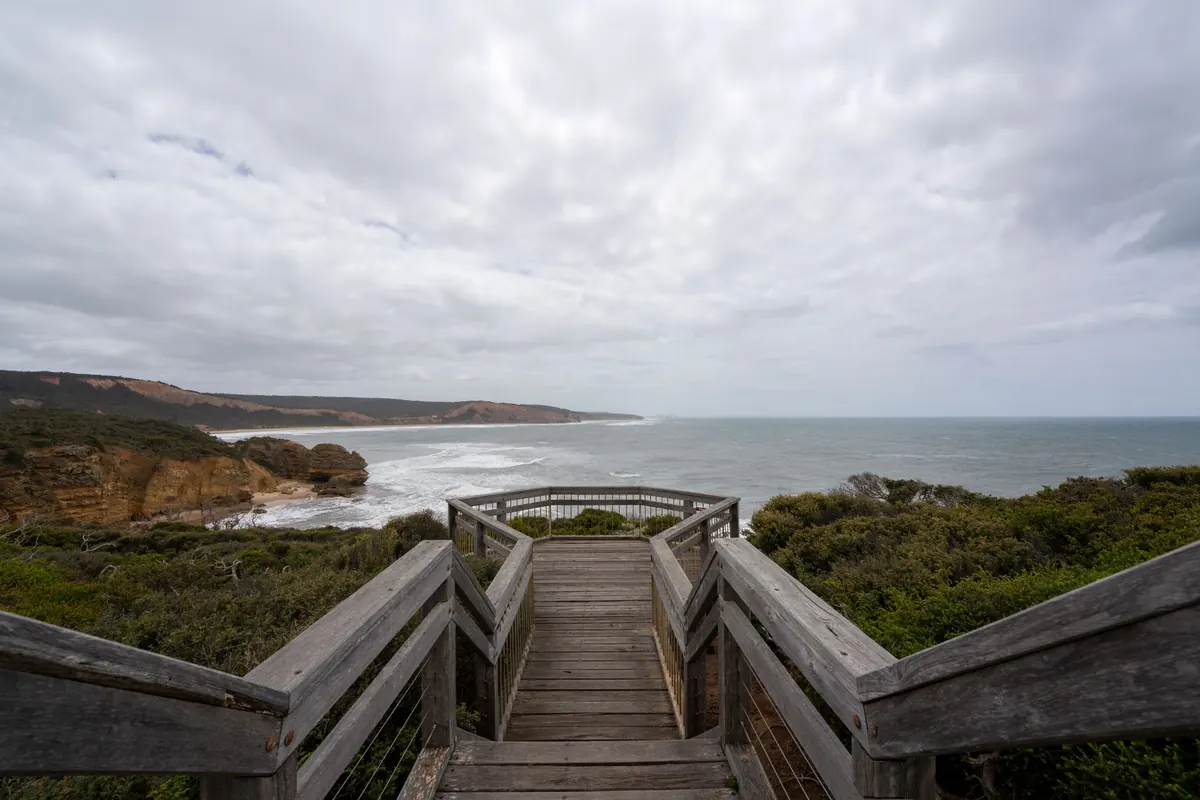
A bay's shape does most of the work. Headlands either side, an offshore island, a harbour wall, a long spit of shingle — all of these interrupt waves before they reach the children. A north or east-facing cove often sits calm when a south-westerly is blowing, and a west-facing beach that looked idyllic in the morning can turn choppy by three o'clock as the sea breeze builds.
Wind direction matters more than wind speed, and it cuts both ways.
- Onshore wind pushes waves towards the beach: chop, spray and dumping shorebreak. Not the day for a timid swimmer.
- Offshore wind flattens the surface and looks inviting, but anything inflatable will be carried out to sea in minutes, and the water can be colder than it appears.
- Cross-shore wind creates a drifting current along the beach, which is easy to underestimate when paddling.
Stand and watch the water for ten minutes before you commit. Count the sets of larger waves. Note where the calm patches are — and treat them with suspicion, as they are often where the water is going out.
Read the tide before you leave the house
Tide times are free and easy to find: the local harbour authority, a tide app, the weather forecast, or a printed table in the window of a seaside shop. What matters for a family swim is not just when high water is, but what the tide is doing.
Spring tides move more water than neap tides, so a beach you know well can look entirely different. A rising tide will cut off a cove or a rock platform faster than most people expect, and children exploring a distant headland can find themselves wading back. A falling tide on an estuary or river mouth can expose mud, channels and soft ground, and the current often keeps running for a while after the tide turns.
On a gently sloping sandy beach, conditions are often most settled around high water, when there's plenty of depth and no long walk across wet sand. On other beaches it's the opposite — high tide swallows the beach and low tide leaves shallow, sun-warmed pools that are ideal for small children. Learn which one you're standing on.
Aim for a lifeguarded zone
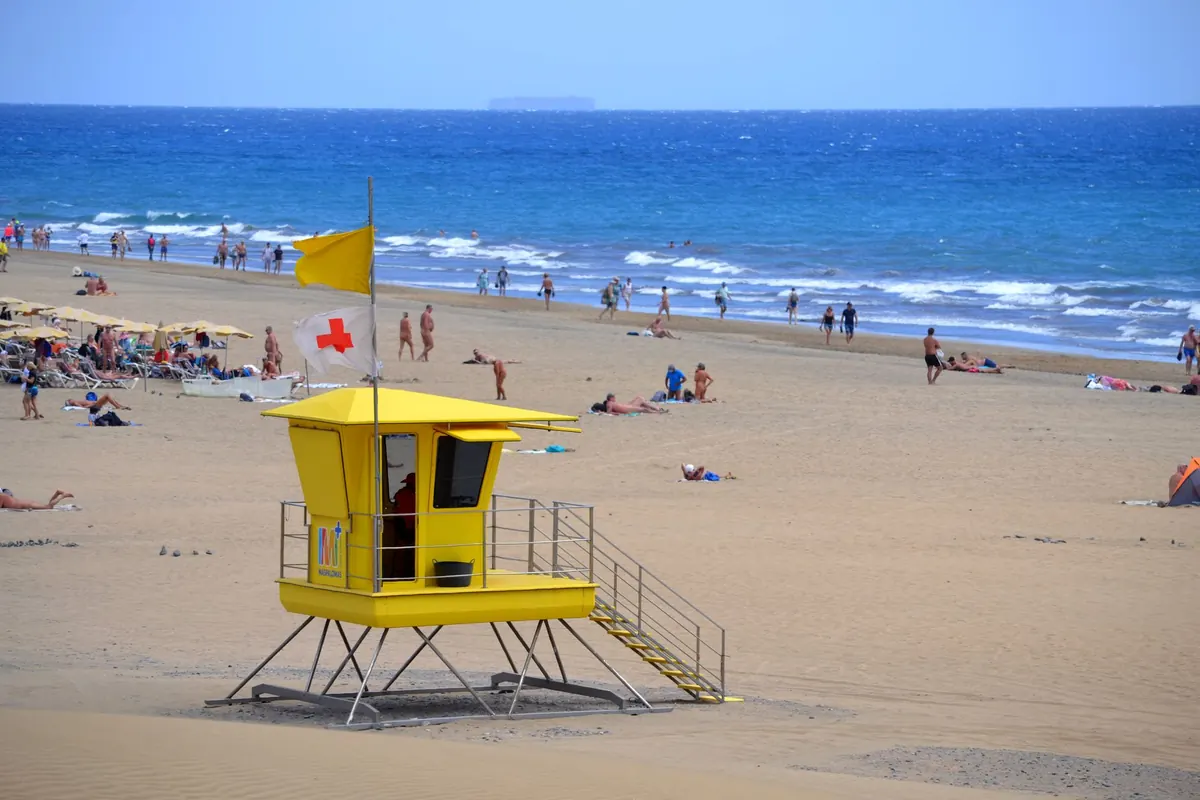
Where lifeguards patrol, use them. On many popular beaches they operate through the main season only, and dates vary from beach to beach, so check the local council or the beach's own information before you travel. Wherever they are, the flag system is worth knowing by heart:
- Red and yellow flags: the swimming and bodyboarding zone. This is where you want to be.
- Black and white flags: surfboards, kayaks and paddleboards. Not a swimming area.
- Red flag: do not enter the water, whatever the sea looks like.
- Orange windsock: offshore wind. Inflatables stay on the sand.
If there's no lifeguard cover — out of season, or on a quieter bay — lower your threshold accordingly. Shallower water, closer to shore, and an adult within arm's reach of anyone who can't yet swim confidently.
Check water quality as well as clarity
Clear water isn't automatically clean, and brown water after rain is usually just stirred-up sediment. In England, designated bathing waters are monitored through the season and classified as Excellent, Good, Sufficient or Poor, and the Environment Agency publishes the results. The Safer Seas Service gives real-time pollution alerts, including near storm overflows and river mouths.
A simple habit: avoid swimming for a day or two after heavy rain, particularly at beaches near a river, an estuary or a harbour outfall. Run-off arrives after the rain, not during it.
If a child has ear problems, asthma, eczema or a condition that affects their immune system, speak to your GP before making open-water swimming a regular thing. That's a conversation worth having once, in advance, rather than guessing on the sand.
Judge the seabed and the currents
Sand that shelves gently is what you want with young children: shallow water for metres, no sudden drop, waves that break softly. Steep shingle usually means the bottom falls away quickly and waves dump their energy right at the shoreline. Rocky ground is wonderful for rockpooling and miserable for bare feet, so take shoes.
Rip currents are the thing to look for, and they leave clues:
- A gap in the line of breaking waves
- A darker patch of water where the seabed has been scoured out
- Sand or foam being carried steadily out to sea
- Choppy, disturbed water between calmer areas
Talk about rips in the car park, calmly, the way you'd talk about crossing the road. The advice is simple: don't try to swim against it. Swim parallel to the shore until you're out of it, or float on your back, raise a hand and call for help. Children who have heard this once before are far less likely to panic.
Agree the rules on the sand
Five minutes of negotiation before anyone gets wet saves a lot of shouting later.
- Pick two landmarks as the boundary — the lifeguard hut and the blue bin, say — and point at them.
- One adult in the water, watching, rather than three adults chatting on towels.
- Non-swimmers stay within arm's reach, in water no deeper than their waist.
- Armbands and floats are toys, not lifejackets.
- Inflatables only on flat, calm days with an onshore breeze, and never in an offshore wind.
- Get out before anyone is cold, hungry or tired. That's when mistakes happen.
Count heads when you arrive, whenever you stand up, and before you leave. It sounds fussy until the one time it isn't.
Before you leave the car park
Run through the same short list every time: tide times and whether it's rising or falling; wind direction; lifeguard cover and flag state; rain in the last couple of days; where the nearest exit from the water is; and whether your phone has signal. Take warm layers and a towel for everyone, even in August, and something to drink.
The best beach for swimming with children is rarely the most dramatic one on the map. It's the one with a gentle bottom, shelter from the wind, a lifeguard in sight — and enough sand left for a castle afterwards.
Photo: Ralphs_Fotos / Pixabay