Some afternoons ask for a bucket and spade, a car park you can see from the sand, and the option of chips on the way home. Others want a path through the gorse, a strip of shingle, and the sound of water working at the rocks. Both are good afternoons. They simply ask different things of you — and the difference shows up early, usually when you're standing at the top of a steep path deciding whether the cool box is worth carrying any further.
The difference in a sentence
A beach is built around ease. A cove is built around quiet. That isn't a slogan, it's geography. Sandy bays tend to be wide, gently shelved and reachable by road, which is why they attract cafés, toilets, car parks and people. Coves are usually tucked between headlands, reached on foot, and left largely alone by anyone selling anything.
If your afternoon has a fixed shape — two hours, three children, one grandmother, a picnic that needs carrying — a beach will almost always win. If your afternoon is loose, and the pleasure comes from not hearing anyone else's speaker, a cove is worth the walk.
Access: what the last hundred metres looks like
This is where the choice is really made, and it's rarely about distance. It's about the final stretch.
On a typical sandy beach you might find a promenade, a ramp to the sand, a slipway, and parking within sight of the water. Buggies roll, wheelchairs can often get down with care, and a fold-up trolley earns its keep. Sand is soft and forgiving underfoot, although dry sand near the top of the beach is hard work with a heavy bag.
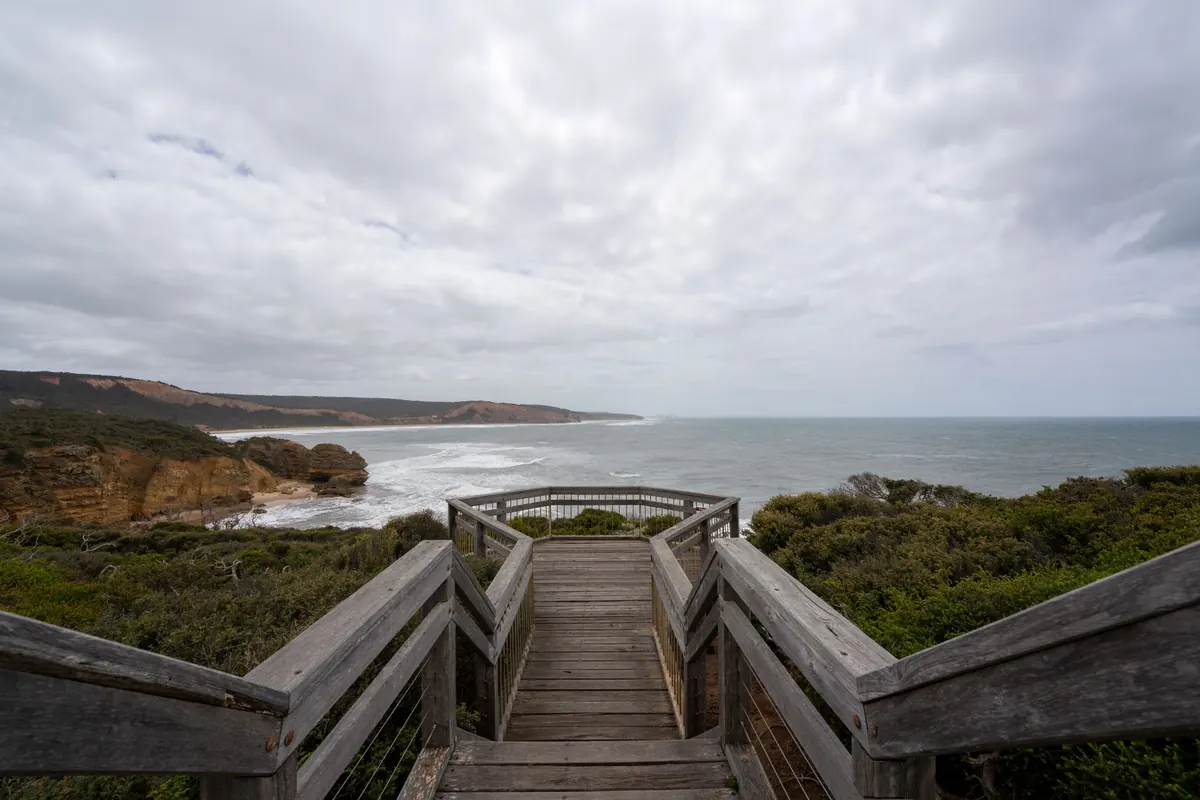
Coves are different. Expect a footpath through fields or along a cliff, steps worn smooth by weather, perhaps a stile, and a final drop onto pebbles or rock. After rain, those steps can be genuinely slippery, and the path down is usually steeper than the path back. Wear shoes with grip, keep one hand free, and pack light. Two small bags beat one enormous one every time.
A useful test: if you couldn't carry it comfortably for twenty minutes, don't bring it to a cove.
Facilities, or the lack of them
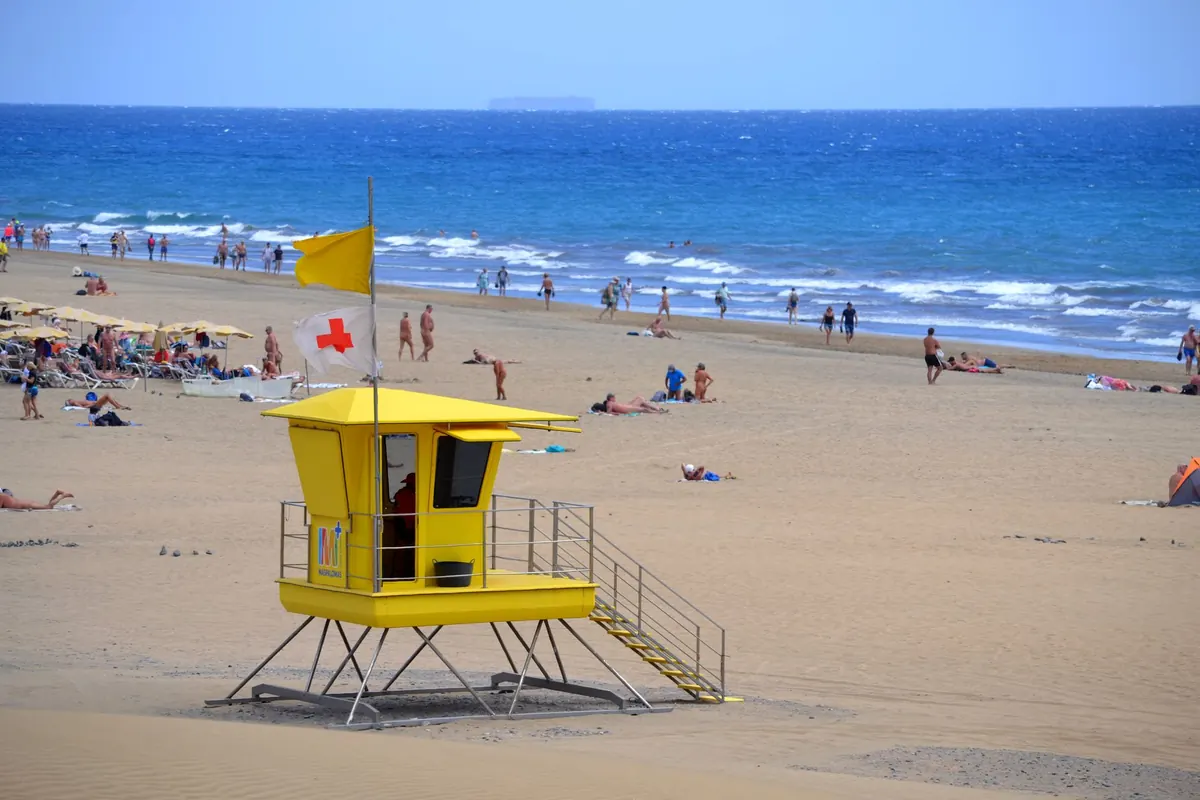
Beaches come with infrastructure, at least in season. Toilets, a café, an ice cream van, bins, sometimes a seasonal lifeguard patrol with flagged swimming areas. It's not glamorous, but it changes what kind of afternoon is possible.
Coves generally have none of that. No toilets, no bins, no tap, often no phone signal. That's part of the appeal and also the thing people forget. If you're heading for a cove, plan as though you're going for a short walk in the hills, because in practice you are.
- Water for everyone, plus a little more than you think
- Sunscreen and a hat — cliffs cast shade, but shingle throws light back at you
- A mat, cushion or folded blanket; shingle is comfortable to sit on and miserable to kneel on
- Something to carry litter home in, including fruit peel and crumbs
- A warm layer, even in July — sea air cools quickly once you stop moving
- Plasters and a basic first aid kit; help is further away than you'd like
Shelter, wind and the way the weather turns
Beaches and coves behave differently in the same forecast. A wide, open bay catches whatever the wind is doing, which is why a south-westerly can make a sandy beach feel like a sandblasting session by mid-afternoon. Low dunes give some shelter if you tuck in behind them, but they also block the view.
A cove, facing a different direction, can be almost still on the same day. A headland that shelters you from the wind also throws shade, so a cove can feel cooler and dimmer earlier in the evening. Cliffs sometimes funnel gusts down onto the water, which is worth watching if you're planning to swim.
Tides matter more in coves. Many are only a strip of shingle at high water, with the beach appearing and disappearing twice a day. Worse, a rising tide can cut off the route around a headland while you're happily reading. Check tide times before you go, note the high-water time, and look behind you now and then. If the route back involves rocks that were dry when you arrived, give yourself a generous margin.
Atmosphere: who else is there
On a popular beach in August you get the full coastal soundtrack — families, inflatables, radios, seagulls with opinions. That can be exactly the point. Children find friends, swimming feels safer with others around, and there's usually someone to help if something goes wrong.
A cove tends to be quieter, sometimes entirely empty. You may share it with anglers, a few swimmers, seabirds, and occasionally seals. Keep your distance from wildlife, especially seals hauled out on rocks, and never let a dog chase birds. Ground-nesting species are easily disturbed between spring and midsummer, and many beaches also have seasonal dog restrictions — check local signs rather than assuming.
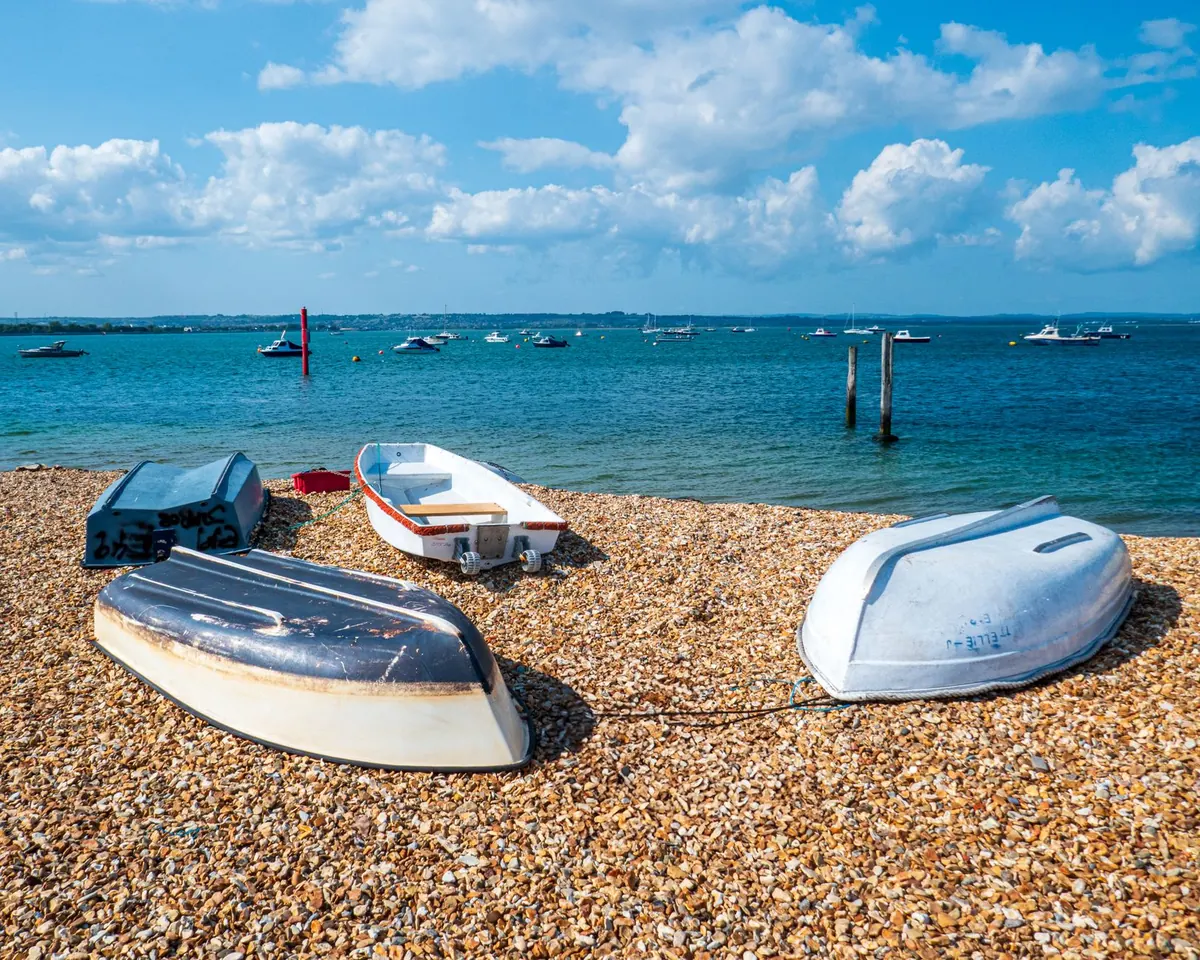
One small advantage of shingle: no sand in the sandwiches. One small disadvantage: it's tiring to walk on, and it shifts underfoot. Take it slowly.
Choosing quickly
- Pick a beach if you're with toddlers, grandparents, wheelchairs or buggies, if you want toilets and a café, if you plan to swim in a patrolled area, or if you only have an hour.
- Pick a cove if you want quiet, you're happy to walk and carry, you've checked the tide, you have proper shoes, and you don't mind sitting on pebbles.
- Pick a beach in the morning, a cove late afternoon if you want the best of both: facilities when you need them, then a quieter stretch as the crowds thin.
Before you set off
Five minutes of checking saves an afternoon of regret. Look at the tide times, the wind direction and speed, and any local water quality alerts after heavy rain. Check whether parking is pay-and-display, whether access has steps or a gate, and whether dogs are allowed at this time of year. Tell someone where you're going if the cove has patchy signal, and remember that in an emergency on the coast you dial 999 and ask for the coastguard.
If you're swimming, treat it as cold water even in summer. Enter gradually, stay within your depth if you're unsure, never swim alone, and be honest about your ability — there's no lifeguard in most coves. Take everything home with you, leave the rocks as you found them, and give the birds room. Then sit down, face the water, and let the afternoon be quiet. That's the whole point.
Photo: Charles Miller / Pexels