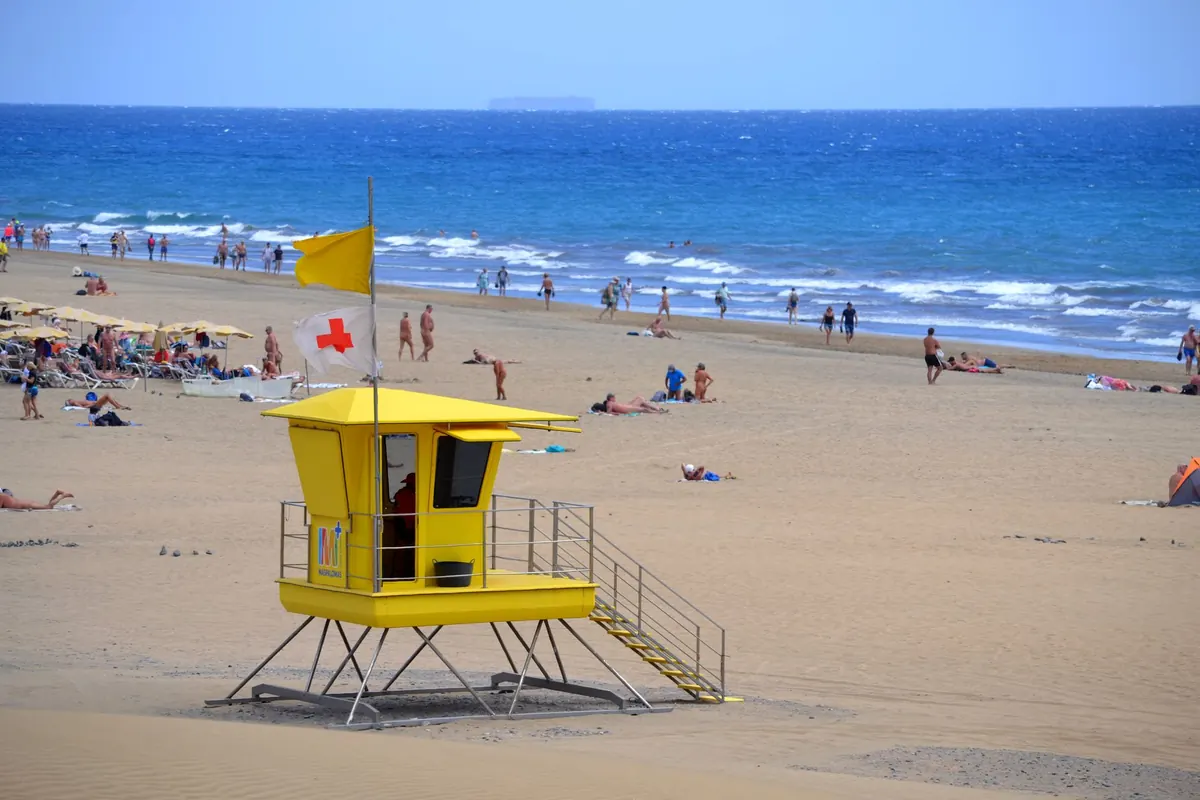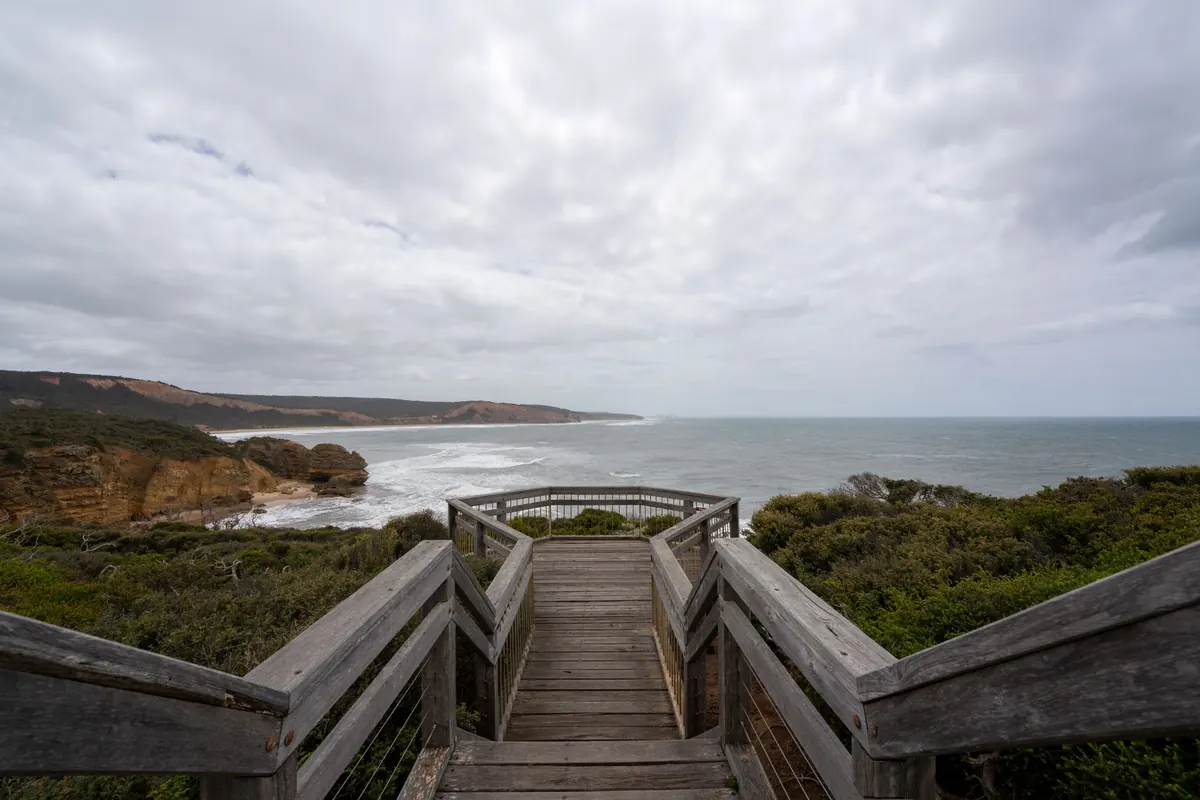
A coastal cottage looks simple from the outside: choose a week, pay a deposit, turn up with a bag of groceries and a bodyboard. Yet most of the disappointment people feel on that first evening was decided weeks earlier, at the booking stage. Not through dishonesty, usually — just details skimmed on a phone in a hurry. The distance to the beach, the parking, the cancellation terms: small words carrying a lot of weight. Here are the mistakes that come up most often, and what to check instead.
The cancellation policy you didn't read
Almost every booking confirmation contains a cancellation policy, and almost nobody reads it until they need it. There are broadly three shapes. A flexible policy refunds most or all of the money if you cancel well before arrival. A partial one refunds the deposit but not the balance, or the other way round. A non-refundable rate is exactly that, and is usually a little cheaper — which is precisely why it gets chosen.
The date that catches people out is the balance due date, often six to eight weeks before arrival. Miss it and the booking can be cancelled without a refund at all. Put that date in your calendar the day you book, along with the amount.
Then ask the honest question: what would actually stop us going? Illness, a family emergency, a car failure halfway down the M5, a storm that closes the road. A good travel insurance policy can cover some of that, including UK trips, but the wording varies enormously between insurers. Read it before you need it, and take advice from a broker if you are unsure what you are covered for.
It is also worth knowing that many owners will move a booking to another date rather than lose it — but only if you ask early and politely, and it is a favour rather than a right. Ask how they handle it before you pay, not after.
Walking distance is not the same as distance
"Ten minutes from the beach" tells you almost nothing. Ten minutes at what pace? Downhill or up? Along a pavement or a footpath with three stiles and a muddy gate?
A cottage shown as 300 metres from the sand on a map might sit on the far side of a tidal creek that cuts the footpath off for two hours either side of high water. Another might be 800 metres away but flat, lit and pushchair-friendly the whole way. Only one of those is a pleasant evening stroll.
Before you book, get walking directions rather than driving directions, and look at the profile of the route. Switch to satellite view and trace it yourself, watching for caravan parks, a main road to cross or a golf course between you and the sea. Check tide times if the route involves a beach, a causeway or an estuary path. Look at the beach itself, too: sand, shingle, rocks or a steep slipway changes what you pack and who can manage it. And if the beach allows dogs in June but not in August, that single detail can shape your whole week.
If in doubt, message the owner and ask directly: is the path lit, is it steep, could my mother manage it? Owners who answer precisely are usually the ones whose listings are accurate.
Parking: the quiet deal-breaker
"Parking available" is the most elastic phrase in the holiday-let vocabulary. It can mean a private space on the drive, a permit for a public car park five minutes away, or a stretch of verge on a lane where residents also park.
In a busy fishing village in August, that difference is your entire morning. Spaces fill early, lanes are narrow, and turning around with a roof box and a tired child is nobody's idea of a holiday. Get written answers to these before you pay:
- How many cars does the space take, and is it allocated to the property or shared?
- Is it off-road, on-street, or a permit for a public car park?
- How wide is the access lane, and is there room to turn?
- Are there height or width restrictions if you carry bikes on the roof or tow a trailer?
- Can you charge an electric car, and is there a cost?
- What happens if you arrive with two cars and the listing mentions one?
Ask about unloading as well. A space 200 metres away is fine in the dry with one bag. It is less fine in the rain with a cot, a cool box and a week's luggage.
Photographs, "sea views" and other elastic descriptions
Listing photographs are taken by people who want you to book, in good light, with the best lens. That is not dishonest, but it is selective. Wide-angle interiors make a small kitchen look generous. A drone shot shows the coastline, not the A-road between you and it.
"Sea view" might mean a sliver of blue from the top bedroom window if you lean out. "Sea glimpses" usually means you cannot see it at all unless the tide is in and the leaves are down.
Pin the property on a map and study what sits immediately around it. A working harbour is charming at six in the evening and starting again at five in the morning. A pub with a late licence is lovely until your bedroom is above the yard. A boatyard, a car park, a main road and a water treatment works all look very different in a photograph than they do from a bedroom window.
Inside, look for the unglamorous details: radiators or a wood burner, the size of the bath, whether the beds are made up in the photos, whether there is a proper dining table. If a listing mentions a "king-size bed", check whether it is a zip-and-link — two singles pushed together with a ridge down the middle.
The small details that shape your week
Then comes the list of things nobody thinks to ask until they are standing in the kitchen at nine in the evening. Check-in and check-out times matter more than they look. A 4pm check-in and a 9am check-out on a Friday-to-Friday booking means you have paid for seven nights and effectively get six full days. Some owners will be flexible outside peak season; almost none will be in August.
- Does the price include heating, electricity and logs, and what is the heating actually like?
- Are linen and towels provided, and are you expected to strip the beds?
- Are dogs allowed, how many, and can they be left alone in the property?
- Is there a cot and highchair, and is it in good condition? Check the item yourself on arrival.
- What is the bin situation? In rural areas collection is often fortnightly and recycling rules vary by council.
- Is the mobile signal and broadband reliable, especially if anyone needs to work or join a call?
A calm ten minutes before you pay
Before you enter card details, do five things. Read the cancellation terms and note the balance date in your calendar. Open a map and trace the walk to the beach. Ask about parking in writing. Read the last dozen reviews rather than the first three, and scan them for the words "noise", "parking", "hill" and "smaller than". Finally, check you are booking the right week for what you actually want — a quiet lane in May is not the same place as the same lane during regatta week.
None of that takes long. Ten minutes now saves the sort of holiday where you
Photo: Karl MPhotography / Pexels