There is a moment on every first sailing course when the noise stops. The instructor has finished talking, the outboard is off, and the boat moves because of nothing but wind. On the South Coast you can find that moment in Chichester Harbour on a quiet Tuesday, off Weymouth in a fresh south-westerly, or halfway across the Solent. The trick is choosing the course that gets you there without putting you off for life. Here is how the options compare.
Dinghy, keelboat or yacht: pick your starting point
Almost every beginner course on the South Coast falls into one of three families, and the right one depends on the sailing you actually want to do in two years' time, not next weekend.
Dinghies are small, responsive and unforgiving in the best way. You feel every gust, and because the boat reacts immediately, you learn quickly. They also capsize, which is why every reputable course teaches capsize recovery early, in warm shallow water, with an instructor watching. If you want to sail on your own or with one other person, or you fancy racing at a club, start here.
Keelboats have a weighted keel and will not tip over. They are a good choice if the idea of going in the water genuinely bothers you, or if you want to learn sail trim without also managing your own balance. Many centres run keelboat courses in sheltered harbours, which makes them appealing for nervous beginners and for anyone sailing with a bad back or dodgy knees.
Yachts are the cruising end of the spectrum: typically 30 to 40 feet, with an instructor and up to five other students, living aboard for the duration. You will spend your first days on the helm, hauling ropes, keeping watch and learning how a boat is run. It is a brilliant introduction to tidal sailing, though you will do less of the twitchy, instinctive stuff that dinghies teach so well.
The main beginner courses, compared
- RYA Start Yachting (two days or a weekend). A taster aboard a cruising yacht. You will steer, handle sails and get a feel for life on board. Ideal if you are unsure whether yachting is for you.
- RYA Competent Crew (five days, or three weekends). The standard beginner yacht course. Ropework, knots, sail handling, safety equipment, watch-keeping and living aboard. The certificate people most often ask for when you want to crew for someone else.
- RYA Dinghy Level 1 (two days). Rigging, launching, basic boat handling and capsize drill in sheltered water. No experience needed.
- RYA Dinghy Level 2 (two days). Builds on Level 1 with tacking, gybing, sailing upwind and coming alongside. Most people do the two levels back to back.
- RYA Keelboat Level 1 and 2. The same basic syllabus as the dinghy scheme, taught in a stable boat, often over two-day blocks.
- Club taster sessions and open days. Many South Coast clubs run cheap or free introductory sails, and the RYA's Push the Boat Out events, usually held in May, are a good way to try three different boats in one afternoon.
What duration and format actually buy you
A single day is a taster. You will come away knowing whether you like the cold, the noise and the sense of achievement, but you will not be able to sail anywhere useful.
Two days is where something clicks. You rig, launch, sail a simple course and put the boat away, and by the second afternoon you are making decisions without being told. For dinghies, this is the minimum worth booking.
Five days changes what you can do. On a yacht course you will cover more miles, sail at night on some courses, and start to understand tides and pilotage in a practical way. On a dinghy week you will get enough repetition to make tacking automatic.
Spread-out learning works well, too. A block of Saturday morning club sessions over a season often produces better sailors than one intense week, because you get time between sessions to let it settle. Whatever you book, ask how much of the time is spent actually sailing rather than sitting in a classroom — ratios matter more than brochures.
Certification: what it does and does not do
In the UK you do not need a licence to sail a small boat recreationally, so a certificate is not a legal requirement. What it gives you is proof of a standard that other people recognise: charter companies, clubs, insurance providers and, importantly, instructors, who can then start you at the right level rather than at the beginning.
Two things are worth checking before you pay. First, that the school is recognised for the specific course you are booking. Second, whether the certificate is included in the fee or charged separately. For yacht sailing, start a logbook from day one and record your miles and the conditions you sailed in; that record becomes more valuable than the certificate as you progress.
Choosing a school and a stretch of water
The South Coast gives you an unusually good range of classrooms. Sheltered water such as Chichester Harbour, Poole Harbour, the Hamble and the upper reaches of Portsmouth Harbour is forgiving for dinghies, with flatter water and shorter distances. Open water — the Solent itself, Lyme Bay, the coast off Start Point — is where you learn about wind against tide, shipping lanes and the value of a decent waterproof.
Ask any school these questions before booking:
- What is the maximum number of students per instructor?
- What boats will I actually sail, and how old are they?
- Do you provide waterproofs, buoyancy aids and wet-weather kit, or do I need my own?
- What happens if the weather is too rough or too light?
- Can I speak to a recent student, or visit before I book?
A good school will answer all of these without hesitation. Be wary of any course that promises a certificate regardless of conditions, and check the cancellation terms before committing to a five-day booking.
Teenagers and younger sailors: the youth route
For under-16s, the RYA Youth Sailing Scheme runs in stages, usually through clubs and training centres as holiday courses or Saturday sessions. It is broadly similar to the adult dinghy syllabus, but paced for younger sailors and taught in small groups with their own age range, which matters socially as much as it does practically.
Teenagers often do best in a dedicated youth week rather than on an adult course. The RYA's OnBoard programme, delivered through clubs and centres, is designed to make getting afloat affordable and straightforward for young people. Parents do not need to sail, though many end up learning afterwards.
If your teenager is keen but you are not, a two-day dinghy course during a school holiday is a low-risk way to find out whether the interest lasts beyond the first wet afternoon.
How to choose, in one afternoon
Decide what you want to be doing in two years. If it is messing about in a small boat on a summer evening, book a two-day dinghy course in sheltered water. If it is a week cruising the Channel with friends, book a two-day Start Yachting weekend first, then a five-day Competent Crew course once you know you like being on board. If you are unsure, a club taster session costs little and answers the question faster than any amount of reading.
Then dress for the weather, not the forecast: layers, a hat, gloves, sun cream, non-marking shoes and a dry bag for your phone. Turn up curious, expect to get things wrong, and book the next course before the feeling fades.
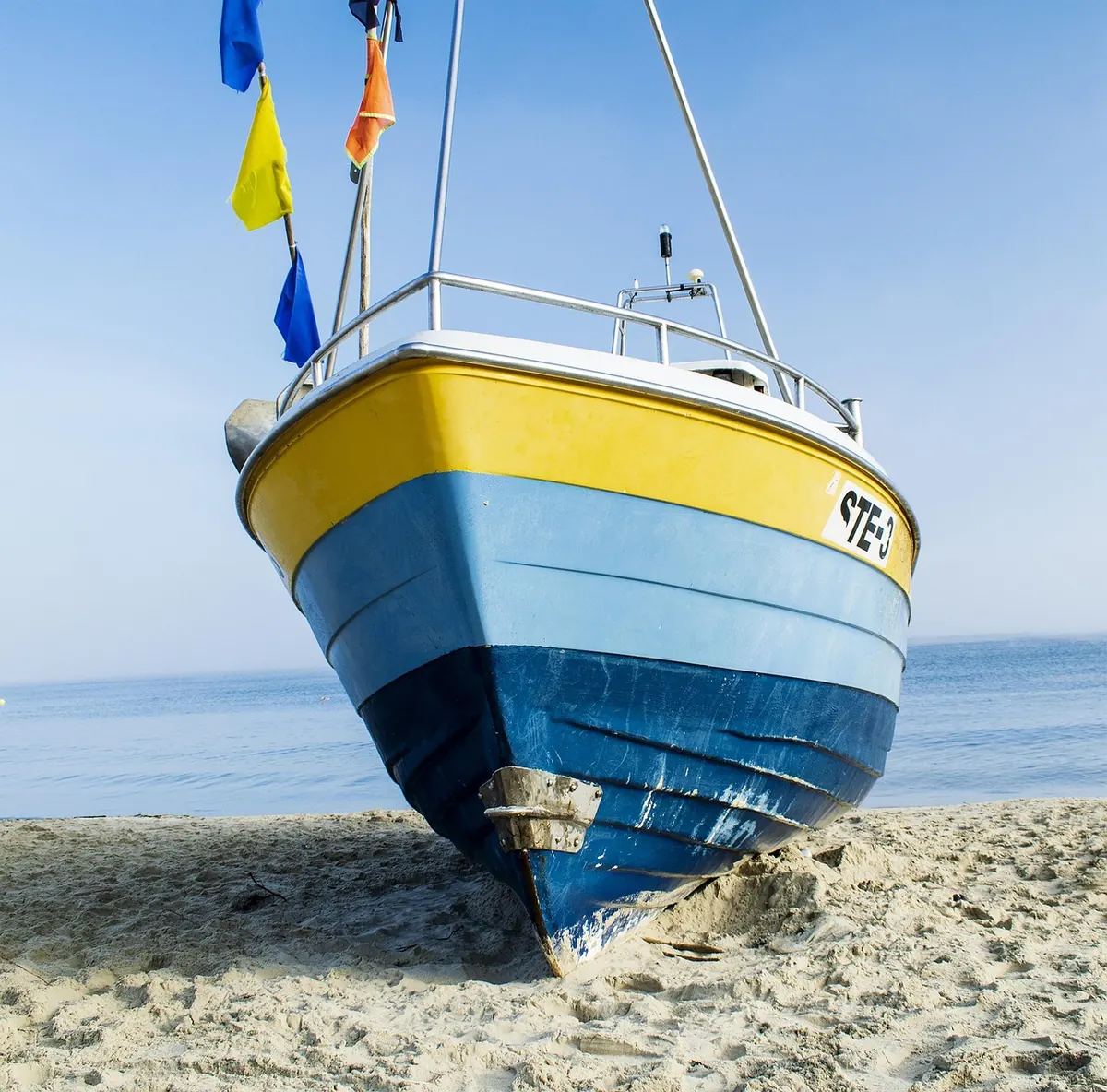
Photo: Andypoland / Pixabay